

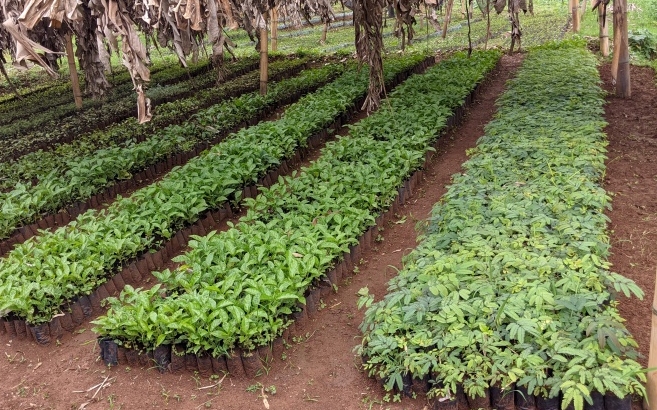
Community involvement is at the heart of sustainable forest conservation in Kenya. Recognizing this, initiatives like Participatory Forest Management (PFM) have emerged as powerful tools to bring local people into the fold of afforestation and reforestation efforts. These programs ensure that communities not only protect forests but benefit from them—economically, socially, and ecologically.
👩🏾🌾 Empowering Local Communities
Across Kenya, Community-Based Organizations (CBOs), youth groups, and women’s associations are taking ownership of forest landscapes. These groups are increasingly involved in:
-
Tree Nursery Establishment: Local nurseries are being set up in schools, markets, and homes to raise indigenous and fruit tree seedlings. This promotes entrepreneurship while boosting tree cover.
-
Indigenous Species Restoration: Native trees are being replanted in degraded forests to restore biodiversity and strengthen climate resilience.
-
Agroforestry: Farmers are blending crops with tree planting—improving soil health, increasing food production, and creating sustainable livelihoods.
-
Herbal Plant Conservation: Medicinal plants are being protected and cultivated for health and income, reviving indigenous knowledge systems.
🏛️ Institutional Support
County governments, Kenya Forest Service (KFS), and research institutions like KEFRI (Kenya Forestry Research Institute) are playing a critical role by:
-
Offering technical training on nursery management and forest conservation.
-
Providing seeds and planting materials.
-
Supporting market access for forest-based products like honey, herbal remedies, and seedlings.
🌍 The Big Picture: Climate & Livelihoods
These grassroots efforts are not just about trees—they’re about restoring ecosystems, reducing poverty, and enhancing climate resilience. When communities are part of the solution, forests stop being “government property” and become shared heritage and livelihood anchors.
As Kenya strives to achieve the constitutional goal of 10% forest cover, community forestry is proving to be one of the most effective and inclusive paths forward—tree by tree, village by village.